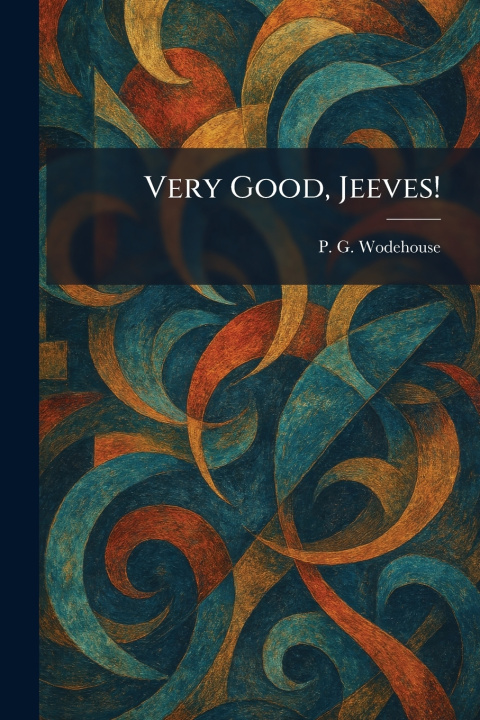
"Very Good, Jeeves!" is a masterful collection of short stories featuring the quintessential comedic duo of English literature: the well-meaning but bumble-headed Bertie Wooster and his formidable, hyper-intelligent valet, Jeeves. Set in the idyllic yet chaotic world of the British upper class, these stories highlight P.G. Wodehouse's unparalleled wit and his ability to construct elaborate, farcical plots that resolve with surgical precision.
The narrative follows Bertie as he blunders through various social minefields, including the schemes of his formidable Aunt Agatha, the romantic entanglements of his friends at the Drones Club, and his own penchant for getting into improbable scrapes. From the recovery of stolen art to navigating high-stakes social obligations, Bertie finds himself perpetually in need of rescue. Fortunately, the ever-capable Jeeves is always at hand, utilizing his superior intellect and quiet authority to manipulate events in Bertie's favor.
Characterized by its linguistic brilliance and playful satire, "Very Good, Jeeves!" serves as a definitive example of Wodehouse's literary style. The work remains a beloved classic, offering a humorous and charming look at a bygone era while showcasing the enduring appeal of the master-servant dynamic that has captivated readers for nearly a century.
This work has been selected by scholars as being culturally important, and is part of the knowledge base of civilization as we know it. This work was reproduced from the original artifact, and remains as true to the original work as possible. Therefore, you may see the original copyright references, library stamps (as most of these works have been housed in our most important libraries around the world), and other notations in the work.
This work is in the public domain in the United States of America, and possibly other nations. Within the United States, you may freely copy and distribute this work, as no entity (individual or corporate) has a copyright on the body of the work.
As a reproduction of a historical artifact, this work may contain missing or blurred pages, poor pictures, errant marks, etc. Scholars believe, and we concur, that this work is important enough to be preserved, reproduced, and made generally available to the public. We appreciate your support of the preservation process, and thank you for being an important part of keeping this knowledge alive and relevant.