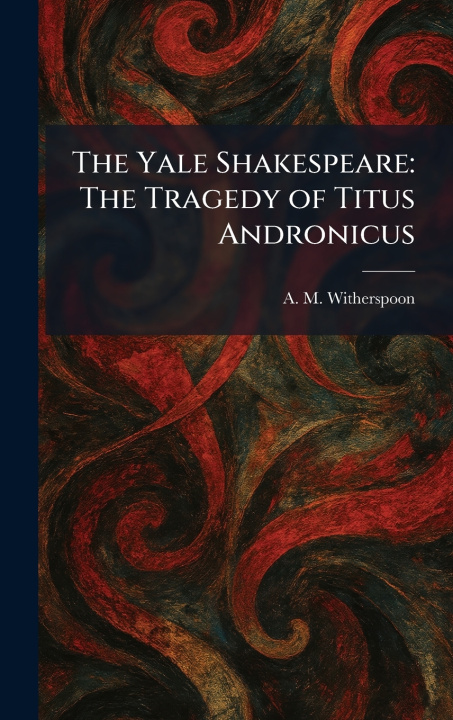
"The Tragedy of Titus Andronicus" is one of William Shakespeare's earliest and most visceral tragedies, a gripping exploration of revenge, political intrigue, and the cycle of violence. Set during the declining years of the Roman Empire, the play follows the titular Roman general as he returns from war, only to find himself embroiled in a deadly feud with the captive Gothic queen, Tamora. This work stands out in the Shakespearean canon for its unrelenting intensity and its debt to the classical traditions of Seneca.
The play examines themes of justice, honor, and the disintegration of social order. As Titus and Tamora engage in a series of increasingly brutal retaliations, the narrative exposes the dark consequences of unchecked ambition and the pursuit of vengeance at any cost. "The Tragedy of Titus Andronicus" offers a fascinating look at the development of Shakespeare's dramatic style, showcasing his early mastery of blank verse and his ability to craft complex, albeit deeply flawed, characters.
This presentation of the text serves as an essential resource for students of English literature, theater enthusiasts, and those interested in the evolution of Elizabethan drama. Its enduring power lies in its unflinching depiction of human suffering and the catastrophic effects of blood feuds, making it a foundational piece of Western dramatic history.
This work has been selected by scholars as being culturally important, and is part of the knowledge base of civilization as we know it. This work was reproduced from the original artifact, and remains as true to the original work as possible. Therefore, you may see the original copyright references, library stamps (as most of these works have been housed in our most important libraries around the world), and other notations in the work.
This work is in the public domain in the United States of America, and possibly other nations. Within the United States, you may freely copy and distribute this work, as no entity (individual or corporate) has a copyright on the body of the work.
As a reproduction of a historical artifact, this work may contain missing or blurred pages, poor pictures, errant marks, etc. Scholars believe, and we concur, that this work is important enough to be preserved, reproduced, and made generally available to the public. We appreciate your support of the preservation process, and thank you for being an important part of keeping this knowledge alive and relevant.