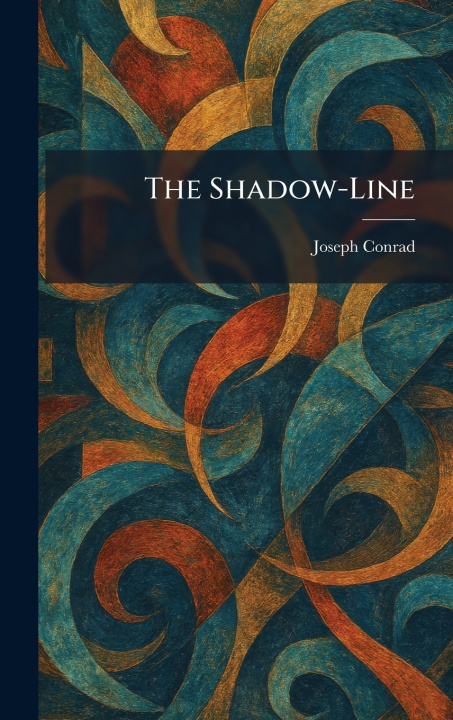
"The Shadow-Line" is a profound and evocative nautical tale that explores the turbulent transition from youth to adulthood. This short novel follows a young, untested sea captain who unexpectedly receives his first command of a sailing vessel. Setting out from a port in the East, the voyage quickly descends into a harrowing struggle for survival as the ship becomes becalmed in the Gulf of Siam and the crew is decimated by a mysterious tropical fever.
Rich in atmosphere and psychological depth, the story delves into the protagonist's internal conflict and the heavy burden of responsibility. As the captain navigates both a stagnant sea and a haunted ship, he must confront the "shadow-line" that separates the carefree days of youth from the sobering realities of maturity and duty. Joseph Conrad's mastery of language brings the oppressive heat and the eerie silence of the ocean to life, creating a sense of mounting dread and tension.
Often considered one of Conrad's most personal and refined works, "The Shadow-Line" stands as a powerful meditation on leadership, isolation, and the loss of innocence. It remains an essential piece of literary fiction for those who appreciate sea-faring adventures and deep explorations of the human condition.
This work has been selected by scholars as being culturally important, and is part of the knowledge base of civilization as we know it. This work was reproduced from the original artifact, and remains as true to the original work as possible. Therefore, you may see the original copyright references, library stamps (as most of these works have been housed in our most important libraries around the world), and other notations in the work.
This work is in the public domain in the United States of America, and possibly other nations. Within the United States, you may freely copy and distribute this work, as no entity (individual or corporate) has a copyright on the body of the work.
As a reproduction of a historical artifact, this work may contain missing or blurred pages, poor pictures, errant marks, etc. Scholars believe, and we concur, that this work is important enough to be preserved, reproduced, and made generally available to the public. We appreciate your support of the preservation process, and thank you for being an important part of keeping this knowledge alive and relevant.