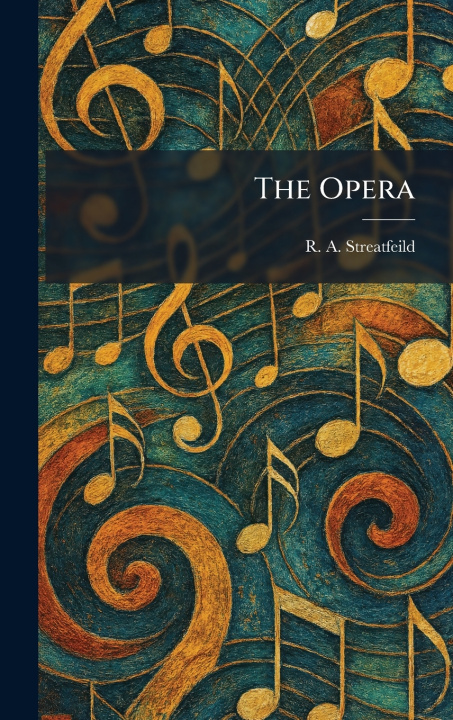
"The Opera" by R. A. Streatfeild provides a comprehensive and scholarly survey of the development of opera from its earliest beginnings through the early 20th century. As a fundamental guide to the genre, the work traces the evolution of musical drama, examining the shifts in style, structure, and orchestration that have defined operatic history across various national schools and eras.
Streatfeild offers detailed analysis of the contributions made by pivotal composers, including Monteverdi, Gluck, Mozart, Wagner, and Verdi. The book goes beyond simple biography to explore the aesthetic and cultural movements that shaped the art form, providing readers with a deep understanding of the relationship between music and text. Whether discussing the rise of the bel canto tradition or the complexities of late-Romantic musical dramas, "The Opera" remains an essential resource for music students and enthusiasts alike. This work stands as a testament to the enduring power of the stage, offering insightful commentary on the masterpieces that continue to define the operatic repertoire.
This work has been selected by scholars as being culturally important, and is part of the knowledge base of civilization as we know it. This work was reproduced from the original artifact, and remains as true to the original work as possible. Therefore, you may see the original copyright references, library stamps (as most of these works have been housed in our most important libraries around the world), and other notations in the work.
This work is in the public domain in the United States of America, and possibly other nations. Within the United States, you may freely copy and distribute this work, as no entity (individual or corporate) has a copyright on the body of the work.
As a reproduction of a historical artifact, this work may contain missing or blurred pages, poor pictures, errant marks, etc. Scholars believe, and we concur, that this work is important enough to be preserved, reproduced, and made generally available to the public. We appreciate your support of the preservation process, and thank you for being an important part of keeping this knowledge alive and relevant.