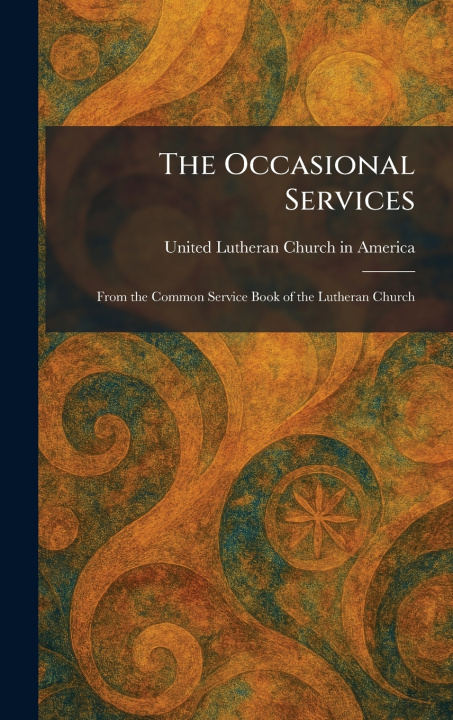
"The Occasional Services" is a comprehensive collection of liturgical rites and ceremonies intended for use within the Lutheran tradition. Derived from the "Common Service Book of the Lutheran Church," this volume provides the official prayers, scripture readings, and structured orders for specific religious milestones and pastoral needs. It includes essential services for Baptism, Confirmation, Marriage, and the Burial of the Dead, as well as specialized rites for the installation of church officers, the dedication of buildings, and the visitation of the sick.
This collection serves as a vital resource for understanding the theological foundations and devotional practices of American Lutheranism during the early twentieth century. Each service is meticulously arranged to maintain the dignity and solemnity of the occasion while ensuring adherence to established ecclesiastical traditions. "The Occasional Services" remains an important historical and spiritual document, reflecting the structured prayer life and communal identity of a major Protestant denomination. It offers a detailed look at how the church marks the various passages of life and the administration of its congregational duties.
This work has been selected by scholars as being culturally important, and is part of the knowledge base of civilization as we know it. This work was reproduced from the original artifact, and remains as true to the original work as possible. Therefore, you may see the original copyright references, library stamps (as most of these works have been housed in our most important libraries around the world), and other notations in the work.
This work is in the public domain in the United States of America, and possibly other nations. Within the United States, you may freely copy and distribute this work, as no entity (individual or corporate) has a copyright on the body of the work.
As a reproduction of a historical artifact, this work may contain missing or blurred pages, poor pictures, errant marks, etc. Scholars believe, and we concur, that this work is important enough to be preserved, reproduced, and made generally available to the public. We appreciate your support of the preservation process, and thank you for being an important part of keeping this knowledge alive and relevant.