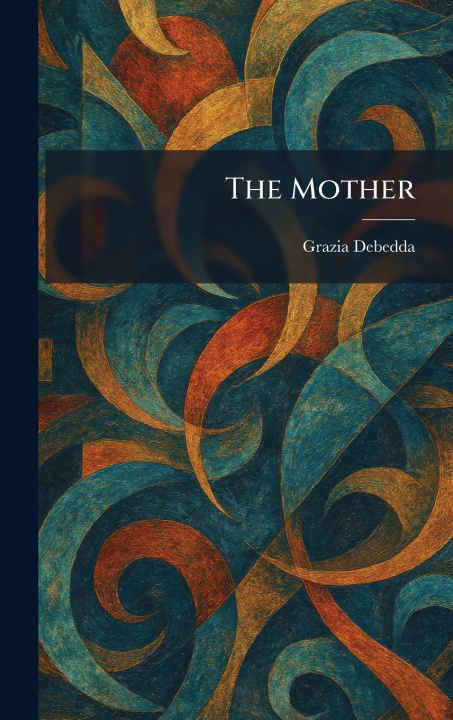
"The Mother" is a powerful and haunting exploration of the conflict between human passion and spiritual duty, set in a remote Sardinian village. Written by Nobel Prize-winning author Grazia Deledda, the novel centers on Paulo, a young priest who finds himself torn between his religious vows and his forbidden love for a lonely woman named Agnes. Watching his struggle with increasing dread is his mother, Maria Maddalena, who has sacrificed everything to see her son rise to his position in the Church. Her unwavering devotion and fear of scandal drive the narrative toward an inevitable and tragic climax.
Deledda's prose captures the atmospheric beauty and harsh traditions of the Sardinian landscape, using it as a backdrop for a universal drama of guilt, temptation, and redemption. The novel delves deep into the psychology of its characters, particularly the titular mother, whose maternal instinct clashes with her moral convictions. "The Mother" remains a classic of early 20th-century literature, offering a timeless meditation on the burdens of faith and the complexities of the human heart. It is an essential work for readers of psychological realism and world literature.
This work has been selected by scholars as being culturally important, and is part of the knowledge base of civilization as we know it. This work was reproduced from the original artifact, and remains as true to the original work as possible. Therefore, you may see the original copyright references, library stamps (as most of these works have been housed in our most important libraries around the world), and other notations in the work.
This work is in the public domain in the United States of America, and possibly other nations. Within the United States, you may freely copy and distribute this work, as no entity (individual or corporate) has a copyright on the body of the work.
As a reproduction of a historical artifact, this work may contain missing or blurred pages, poor pictures, errant marks, etc. Scholars believe, and we concur, that this work is important enough to be preserved, reproduced, and made generally available to the public. We appreciate your support of the preservation process, and thank you for being an important part of keeping this knowledge alive and relevant.