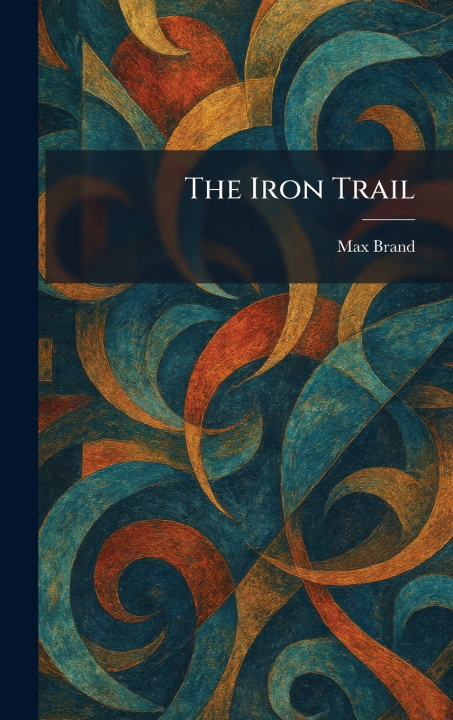
"The Niron Trail" is a gripping tale of the American frontier written by Max Brand, a master of Western storytelling. Set against the vast and unforgiving landscape of the Old West, the narrative follows a high-stakes journey driven by honor, vengeance, and the search for justice in a land where the law is often dictated by the fastest gun.
In this evocative work, Brand explores themes of loyalty and survival, painting a vivid picture of the rugged wilderness and the complex figures who inhabit it. The story captures the essence of the classic Western era, blending fast-paced action with compelling character dynamics. As the protagonists navigate the treacherous paths of the trail, they must confront not only the dangers of the elements and outlaws but also the internal conflicts that define their moral compass.
Known for his ability to craft legendary heroes and visceral prose, Max Brand delivers a quintessential Western experience in "The Niron Trail." It remains a significant contribution to the genre, offering readers a timeless look at the mythic struggle between law and lawlessness on the edge of civilization.
This work has been selected by scholars as being culturally important, and is part of the knowledge base of civilization as we know it. This work was reproduced from the original artifact, and remains as true to the original work as possible. Therefore, you may see the original copyright references, library stamps (as most of these works have been housed in our most important libraries around the world), and other notations in the work.
This work is in the public domain in the United States of America, and possibly other nations. Within the United States, you may freely copy and distribute this work, as no entity (individual or corporate) has a copyright on the body of the work.
As a reproduction of a historical artifact, this work may contain missing or blurred pages, poor pictures, errant marks, etc. Scholars believe, and we concur, that this work is important enough to be preserved, reproduced, and made generally available to the public. We appreciate your support of the preservation process, and thank you for being an important part of keeping this knowledge alive and relevant.