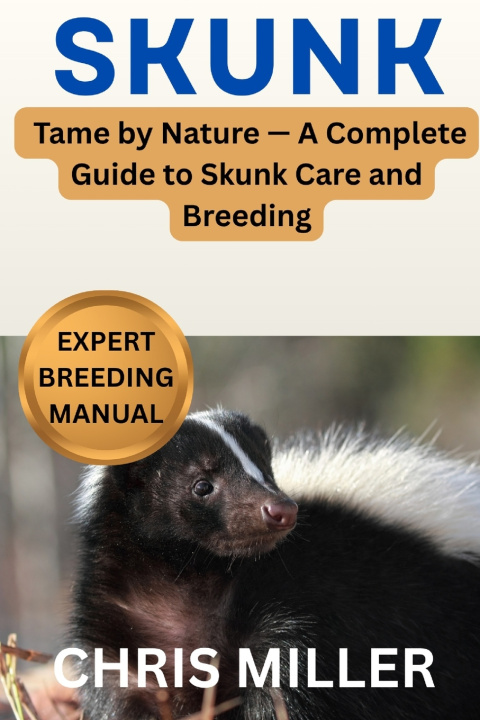
Explore the world of skunks as exotic pets with this comprehensive care guide. Covering behavior, habitat, feeding, training, health, and enrichment, it is ideal for small mammal enthusiasts, exotic pet owners, and wildlife rehabilitators. Learn about descented skunks, responsible handling, and socialization techniques. This book combines practical care advice with conservation insights, enabling readers to provide a safe, stimulating, and healthy environment for these unique mammals.
Skunks play an indispensable role in maintaining ecological balance within their respective habitats. As opportunistic omnivores, they function primarily as mesopredators-occupying a middle tier in the food chain where their foraging behavior significantly influences both invertebrate and small vertebrate populations.
Pest Control Agents
One of the most ecologically valuable functions of skunks is their control of insect and rodent populations. A single skunk may consume hundreds of beetles, grasshoppers, crickets, cutworms, and even stinging insects such as wasps in a single night. Their diets are particularly beneficial in agricultural settings where pest species can cause extensive crop damage. Skunks are also known to consume slugs and snails, making them valuable in managing invertebrate herbivores in gardens and natural ecosystems.
In addition to insects, skunks regularly feed on small mammals such as mice, voles, and rats. This predatory behavior not only keeps rodent numbers in check but also indirectly reduces the spread of rodent-borne diseases, such as hantavirus and leptospirosis, by limiting vector populations near human dwellings.
Soil Aerators and Seed Dispersers
Through their habitual digging for grubs and tubers, skunks act as natural tillers of soil. Their small, shallow foraging pits increase aeration, promote nutrient cycling, and assist in the germination of native plant species. While not primary dispersers like birds or larger mammals, skunks occasionally contribute to secondary seed dispersal through the ingestion of fruit and defecation of viable seeds.