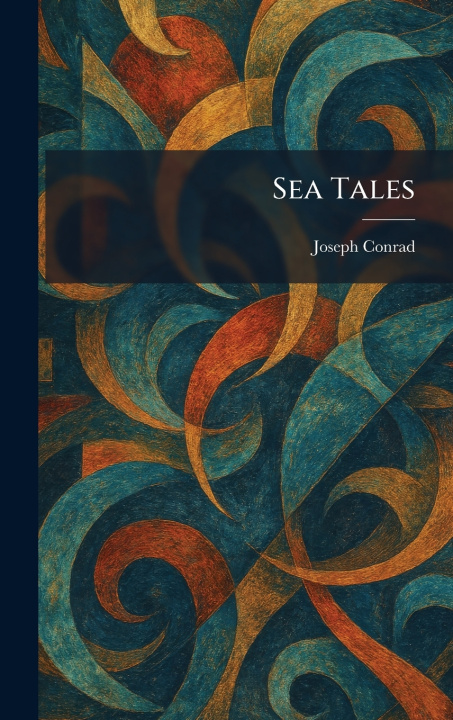
"Sea Tales" is a compelling collection of stories by the master of maritime fiction, Joseph Conrad. This volume brings together some of the most evocative and profound narratives of life on the high seas, capturing the tension between man and the vast, indifferent elements of nature. Conrad, drawing from his own extensive experience as a mariner, explores the complex inner lives of sailors, the psychological weight of isolation, and the unyielding demands of duty and honor aboard ship.
Within these pages, readers will encounter the technical precision of nautical life blended with deep philosophical inquiry. The stories delve into the moral dilemmas faced by those who navigate the world's oceans, portraying both the physical perils of the voyage and the internal struggles of the human spirit. "Sea Tales" stands as a testament to Conrad's ability to transform the maritime setting into a stage for universal human experiences. Each tale is rich with atmospheric detail, showcasing the author's signature prose style and his unique perspective on the camaraderie and solitude found at sea. This collection remains an essential work for those who appreciate literary excellence and the timeless allure of seafaring adventure.
This work has been selected by scholars as being culturally important, and is part of the knowledge base of civilization as we know it. This work was reproduced from the original artifact, and remains as true to the original work as possible. Therefore, you may see the original copyright references, library stamps (as most of these works have been housed in our most important libraries around the world), and other notations in the work.
This work is in the public domain in the United States of America, and possibly other nations. Within the United States, you may freely copy and distribute this work, as no entity (individual or corporate) has a copyright on the body of the work.
As a reproduction of a historical artifact, this work may contain missing or blurred pages, poor pictures, errant marks, etc. Scholars believe, and we concur, that this work is important enough to be preserved, reproduced, and made generally available to the public. We appreciate your support of the preservation process, and thank you for being an important part of keeping this knowledge alive and relevant.