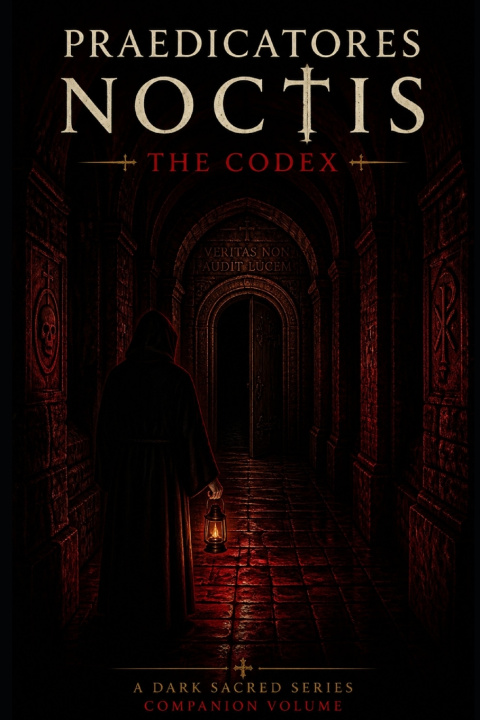
PRAEDICATORES NOCTIS: THE CODEX: Katabasis as Epistemological Method
What if the Western tradition's most enduring accounts of descent into the underworld are not mythology, not theology, and not literary convention - but a precise description of how a specific category of knowledge is acquired?
The Descent That Returns examines the katabatic tradition - the descent into darkness and the return - as a structured epistemological method running continuously from Plato's cave allegory through Virgil's Aeneid, Dante's Commedia, and the mystical writings of John of the Cross. These are not parallel myths. They are iterations of the same argument: that the deepest knowing requires going somewhere ordinary knowing cannot reach, that the going is always downward, and that the knowledge brought back is marked permanently by the gap between where it was found and the language available to carry it above.
The book traces five interlocking claims. The descent is not metaphor but method - a structured approach to knowledge unavailable by any other means. The return is constitutive, not supplementary - without it, descent is ordeal rather than epistemology. The knowledge brought back is incommensurable with ordinary discourse - not because the tradition's greatest writers were inadequate to their material, but because the moments where their language most visibly breaks are their most epistemologically honest moments. The ivory gate names the translation cost, not the failure of the vision. And at the edge of every descent stands a figure the tradition has overlooked: the boundary witness - the one who did not descend but who stands close enough to receive the effects, who carries a knowledge they cannot organize because the organizing principle belongs to a passage they did not make.
That figure - a medieval cellarer who heard something in the lower levels of his monastery in the weeks before the 1307 Templar suppression, and who testifies informally, to no one official, that he does not know what he heard - closes the book. He does not know what he heard. He knows exactly what he heard. The tradition is unanimous that this condition is not ignorance. It is the beginning.
PRAEDICATORES NOCTIS: THE CODEX is the first volume of a continuing inquiry. The companion volume carries the argument into its contemporary forms.