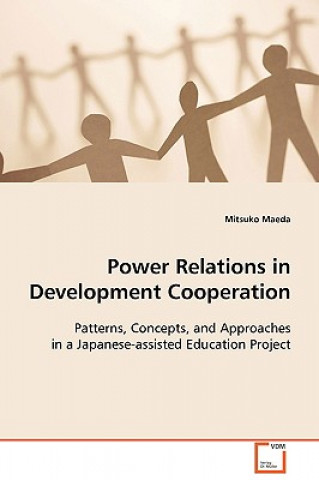
Carte Power Relations in Development Cooperation Mitsuko Maeda

Power Relations in Development Cooperation

Patterns, Concepts, and Approaches in a Japanese-assisted Education Project

Autor: Mitsuko Maeda
Limbă: engleză
Legare: Carte broșată
Disponibilitate: În depozitul extern
Expediem în 9-15 zile
437.45 lei
International cooperation in education is a global §enterprise that involves diverse actors, ranging...


Informații despre carte

Limbă
engleză
Legare
Carte - Carte broșată
Publicat
2008
Pagini
200
EAN
9783639084504
ISBN
3639084500
Enbook ID
06817635
Greutate
272
Dimensiuni
152 x 229 x 11

Descriere completă

International cooperation in education is a global §enterprise that involves diverse actors, ranging §from the micro- to the macro-level. The actors §include states, aid organisations, private §companies, schools and citizens, in both aid §provider and recipient countries. These actors have §different motives, concerns, interests and §power. Why do I feel empowered in less-developed §countries? The book begins by this question asked §of the author herself, who started her career as a §Japanese school teacher and became involved in §international cooperation as a foreign development §professional. The book expands on this question, §and offers an insight into the understanding of §power relations among these various actors. The §case study of a Japanese-assisted education project §in Cambodia provides narrative, in-depth and factual §accounts for the ways in which their motives §contributed to the power dynamics and influenced §development activities. This book is an essential §read for researchers in the field of comparative and §international education, as well as those who play §their roles as actors in international cooperation §in education. International cooperation in education is a global enterprise that involves diverse actors, ranging from the micro- to the macro-level. The actors include states, aid organisations, private companies, schools and citizens, in both aid provider and recipient countries. These actors have different motives, concerns, interests and power. Why do I feel empowered in less-developed countries? The book begins by this question asked of the author herself, who started her career as a Japanese school teacher and became involved in international cooperation as a foreign development professional. The book expands on this question, and offers an insight into the understanding of power relations among these various actors. The case study of a Japanese-assisted education project in Cambodia provides narrative, in-depth and factual accounts for the ways in which their motives contributed to the power dynamics and influenced development activities. This book is an essential read for researchers in the field of comparative and international education, as well as those who play their roles as actors in international cooperation in education.
S-ar putea să te intereseze

Home: A Book for the Family

William King Tweedie
139.86 lei
409.51 lei
78.95 lei

Campaign in Thrace

Howell P Howell
128.47 lei
637.52 lei
153.27 lei

A Cozy Winter Day

Eliza Wheeler
81.27 lei

When We Fall

Shirley Siaton
57.57 lei

Beatles & Chiefs

Janet MacLeod Trotter
49.30 lei

Clienții care au cumpărat această carte au mai cumpărat și

116.97 lei

Mezi konfliktem a kooperací

František Znebejánek
69.27 lei
228.10 lei

Rockabilly

Manuel López Poy
109.00 lei
180.20 lei
92.16 lei
64.63 lei

Mantra Rahasya

Saluja Chunni Lal
113.84 lei
93.07 lei
509.05 lei