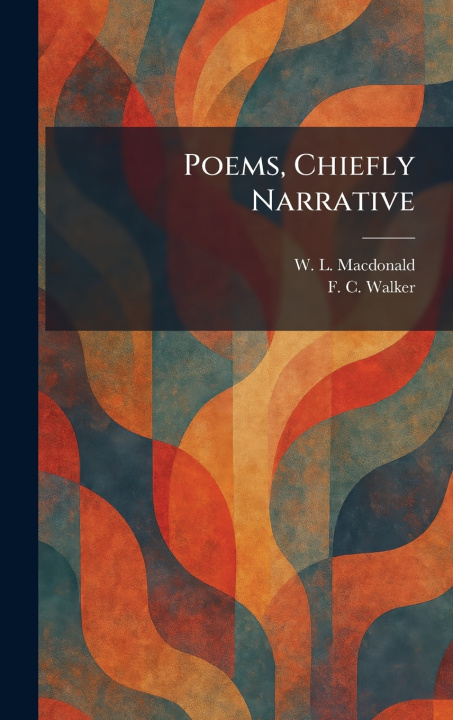
"Poems, Chiefly Narrative" is a carefully curated anthology that celebrates the art of storytelling through the medium of verse. Compiled by scholars W. L. Macdonald and F. C. Walker, this collection focuses specifically on poems that prioritize plot, character, and action, offering a distinct departure from purely lyrical or abstract poetry. The volume brings together a wide array of narrative works, ranging from grand historical epics and traditional ballads to more intimate character sketches and dramatic tales.
The selections within "Poems, Chiefly Narrative" highlight the versatility of the poetic form in conveying complex human experiences and historical events. By emphasizing the narrative tradition, the editors provide readers with a structured exploration of how rhythm and rhyme can enhance the power of a story. This anthology serves as an excellent resource for students of English literature and general readers alike, showcasing the enduring appeal of narrative verse. Through its diverse range of themes-from heroism and adventure to tragedy and everyday life-the collection remains a testament to the literary value and historical significance of the storytelling poem.
This work has been selected by scholars as being culturally important, and is part of the knowledge base of civilization as we know it. This work was reproduced from the original artifact, and remains as true to the original work as possible. Therefore, you may see the original copyright references, library stamps (as most of these works have been housed in our most important libraries around the world), and other notations in the work.
This work is in the public domain in the United States of America, and possibly other nations. Within the United States, you may freely copy and distribute this work, as no entity (individual or corporate) has a copyright on the body of the work.
As a reproduction of a historical artifact, this work may contain missing or blurred pages, poor pictures, errant marks, etc. Scholars believe, and we concur, that this work is important enough to be preserved, reproduced, and made generally available to the public. We appreciate your support of the preservation process, and thank you for being an important part of keeping this knowledge alive and relevant.