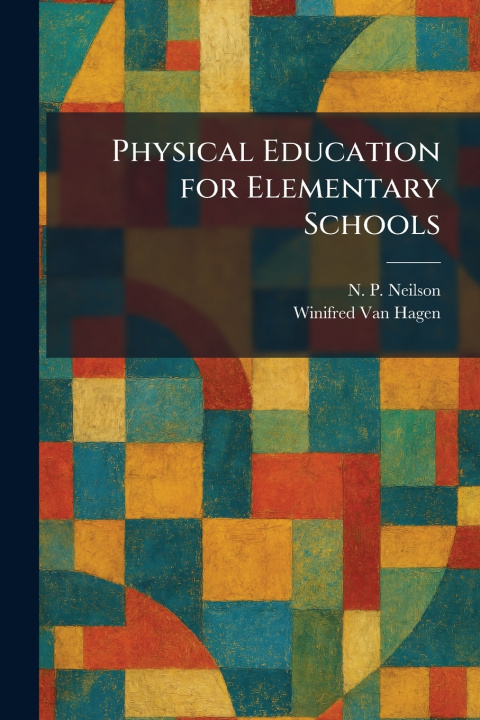
"Physical Education for Elementary Schools" is a comprehensive instructional manual designed for educators and administrators seeking to implement structured physical activity into the primary school curriculum. Written by N.P. Neilson and Winifred Van Hagen, this foundational work provides a systematic approach to the physical development of children through a variety of exercises, games, and rhythmic activities. The text emphasizes the importance of movement in early childhood education, offering detailed instructions for instructors to foster both physical health and social cooperation among students.
The work is organized to address the specific needs of different grade levels, ensuring that activities are developmentally appropriate. From simple games and posture exercises to more complex athletic skills and folk dances, the book covers a broad spectrum of physical disciplines. It serves as an essential resource for understanding the evolution of physical pedagogy, highlighting the transition toward standardized physical training in the school system. Readers will find a wealth of classic games and drills that remain relevant for those interested in the history of education and the promotion of lifelong fitness habits from a young age.
This work has been selected by scholars as being culturally important, and is part of the knowledge base of civilization as we know it. This work was reproduced from the original artifact, and remains as true to the original work as possible. Therefore, you may see the original copyright references, library stamps (as most of these works have been housed in our most important libraries around the world), and other notations in the work.
This work is in the public domain in the United States of America, and possibly other nations. Within the United States, you may freely copy and distribute this work, as no entity (individual or corporate) has a copyright on the body of the work.
As a reproduction of a historical artifact, this work may contain missing or blurred pages, poor pictures, errant marks, etc. Scholars believe, and we concur, that this work is important enough to be preserved, reproduced, and made generally available to the public. We appreciate your support of the preservation process, and thank you for being an important part of keeping this knowledge alive and relevant.