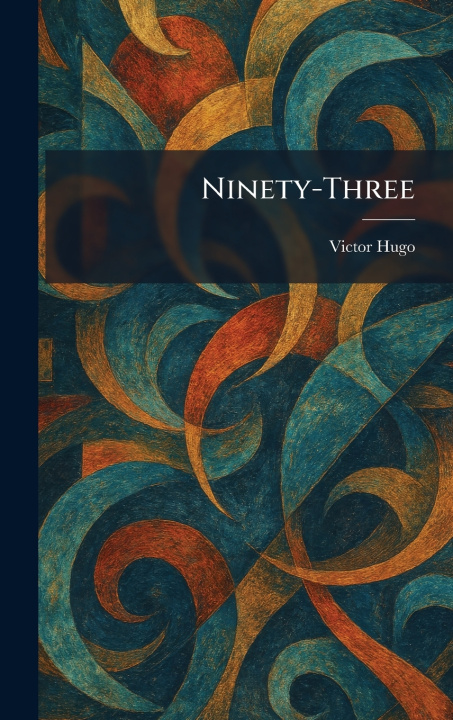
"'Ninety-Three" is the final novel by the celebrated French author Victor Hugo, offering a gripping and profound exploration of the French Revolution during its most turbulent period, the Reign of Terror. Set in 1793, the narrative centers on the brutal counter-revolutionary revolt in the Vendée, portraying the clash between the relentless forces of the Republic and the staunch defenders of the Monarchy. Through a series of dramatic encounters, Hugo masterfully weaves a tale of political upheaval, ideological fervor, and the tragic intersection of personal loyalty and revolutionary duty.
The story follows three primary figures who embody the era's conflicting values: the Marquis de Lantenac, a ruthless royalist leader; Gauvain, his idealistic great-nephew leading the revolutionary forces; and Cimourdain, a former priest turned uncompromising revolutionary commissar. As their lives intertwine amidst the violence of war, the novel examines the moral complexities of justice and mercy. With its vivid depictions of historical events and its deep philosophical inquiries into the nature of progress and humanity, "'Ninety-Three" remains a powerful literary achievement, showcasing Hugo's unparalleled ability to capture the epic scale of history through the lens of human emotion and sacrifice.
This work has been selected by scholars as being culturally important, and is part of the knowledge base of civilization as we know it. This work was reproduced from the original artifact, and remains as true to the original work as possible. Therefore, you may see the original copyright references, library stamps (as most of these works have been housed in our most important libraries around the world), and other notations in the work.
This work is in the public domain in the United States of America, and possibly other nations. Within the United States, you may freely copy and distribute this work, as no entity (individual or corporate) has a copyright on the body of the work.
As a reproduction of a historical artifact, this work may contain missing or blurred pages, poor pictures, errant marks, etc. Scholars believe, and we concur, that this work is important enough to be preserved, reproduced, and made generally available to the public. We appreciate your support of the preservation process, and thank you for being an important part of keeping this knowledge alive and relevant.