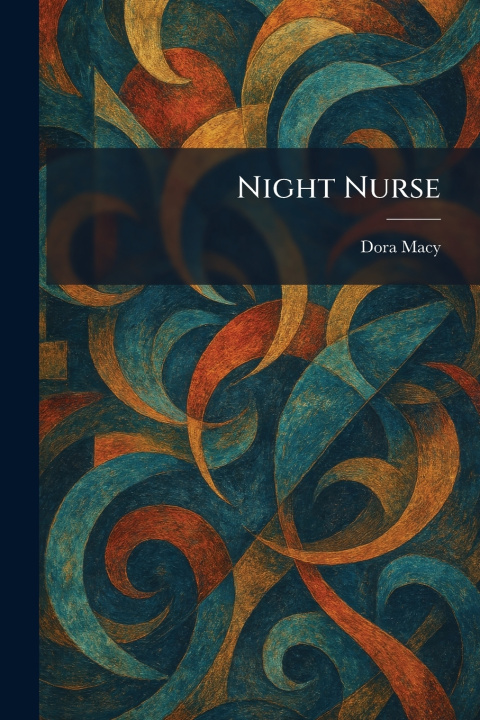
"Night Nurse" is a gripping and atmospheric work of 1930s fiction that delves into the gritty underworld of the medical profession. The story follows Lora Hart, a dedicated young nurse whose commitment to her patients leads her into a dangerous web of greed, corruption, and murder. Set against the backdrop of a high-stakes hospital environment, the narrative explores the moral complexities faced by those on the front lines of healthcare during a period of social upheaval.
When Lora is assigned to care for two young children in a wealthy but dysfunctional household, she discovers a sinister plot orchestrated by a ruthless chauffeur and a neglectful mother. As she fights to save her young charges from a calculated plan of starvation and medical malpractice, Lora must navigate a world where professional ethics clash with cold-blooded ambition. This fast-paced thriller combines the tension of a medical drama with the dark aesthetics of early noir fiction, offering a compelling look at the vulnerabilities of the innocent and the courage required to protect them. "Night Nurse" remains a significant example of Pre-Code era storytelling, celebrated for its bold portrayal of systemic corruption and its unflinching look at the darker side of human nature.
This work has been selected by scholars as being culturally important, and is part of the knowledge base of civilization as we know it. This work was reproduced from the original artifact, and remains as true to the original work as possible. Therefore, you may see the original copyright references, library stamps (as most of these works have been housed in our most important libraries around the world), and other notations in the work.
This work is in the public domain in the United States of America, and possibly other nations. Within the United States, you may freely copy and distribute this work, as no entity (individual or corporate) has a copyright on the body of the work.
As a reproduction of a historical artifact, this work may contain missing or blurred pages, poor pictures, errant marks, etc. Scholars believe, and we concur, that this work is important enough to be preserved, reproduced, and made generally available to the public. We appreciate your support of the preservation process, and thank you for being an important part of keeping this knowledge alive and relevant.