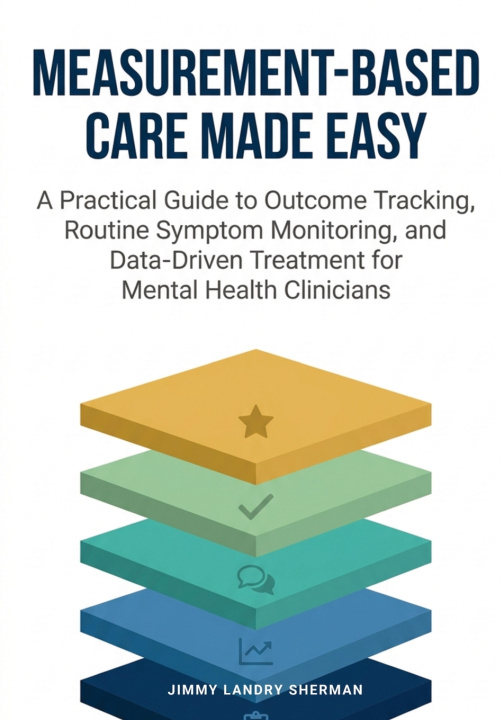
Most mental health clinicians were never trained to track treatment outcomes with standardized measures. Graduate programs skipped it. Supervisors never modeled it. And for decades, clinical intuition was treated as sufficient. That era is over.
The #1 Behavioral Health Trend for 2026
Insurance payers now tie reimbursement to measurable outcomes. CARF and Joint Commission accreditation require routine outcome monitoring. Medicare quality reporting includes behavioral health measurement metrics. Yet fewer than 20 percent of clinicians implement measurement-based care, even though the evidence shows it improves outcomes, reduces dropout, and catches client deterioration that clinical judgment alone misses.
A Step-by-Step Clinical Operations Guide
This practical guide bridges the gap between policy mandates and daily clinical workflow. It covers every stage of implementing outcome tracking and routine symptom monitoring: selecting measures, building sustainable workflows, interpreting scores, making data-driven treatment adjustments, and documenting outcomes for payers and accreditors. Every chapter includes reproducible templates, clinical decision algorithms, case studies, and sample scripts for outpatient therapy, group practice, community mental health, integrated care, telehealth, and substance use treatment.
Comprehensive Measure Guidance
Detailed coverage of the PHQ-9 for depression, GAD-7 for anxiety, PCL-5 for PTSD, and dozens of validated instruments for substance use, eating disorders, personality disorders, insomnia, functional impairment, child and adolescent populations, and neurodivergent clients. Scoring instructions, severity cutoffs, reliable change thresholds, and clinical action protocols included for every measure.
Built for Real-World Implementation
A 90-day implementation roadmap, technology selection guide, EHR integration strategies, staff training curriculum, and fidelity checklists ensure outcome monitoring becomes permanent. Workflow designs address solo practice, group practice, community mental health, collaborative care, telehealth, and substance use programs. Chapters on clinician resistance, organizational barriers, health equity, and sustaining measurement culture provide the change management tools to make it stick.
Accreditation and Payer Ready
Documentation templates, utilization review frameworks, CARF Standard 2.A.12 compliance guides, Joint Commission reporting strategies, and HEDIS measure alignment included. Progress note templates in SOAP, DAP, and BIRP formats with embedded outcome data language ready for immediate use.
The clinical operations manual that graduate programs never provided and every mental health professional now needs.