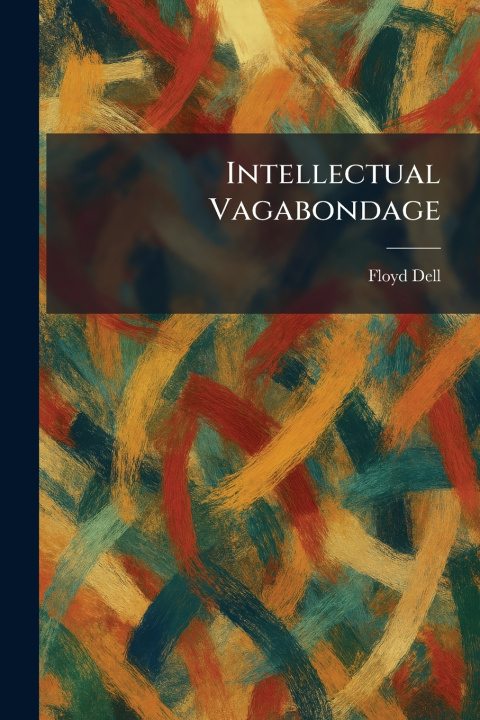
"Intellectual Vagabondage" is a provocative and insightful exploration of the modern intellectual landscape by Floyd Dell, a prominent figure in the American literary scene of the early twentieth century. Described by the author as an "apology for a new generation," the work traces the evolution of human thought and literature from the age of rationalism to the complexities of the post-World War I era. Dell examines how the shifting cultural and social tides have shaped the minds of contemporary thinkers, often leaving them in a state of intellectual wandering or "vagabondage."
Through a blend of literary criticism and historical analysis, the book assesses the influences of great writers and philosophers on the collective consciousness. It delves into the tensions between tradition and modernity, seeking to understand why the youth of his time felt disconnected from the certainties of the past. "Intellectual Vagabondage" serves as both a defense and a critique of the modern spirit, offering a unique perspective on the disillusionment and creative ferment that defined the 1920s. This work remains a vital resource for readers interested in the intellectual history of the United States and the development of modernist thought.
This work has been selected by scholars as being culturally important, and is part of the knowledge base of civilization as we know it. This work was reproduced from the original artifact, and remains as true to the original work as possible. Therefore, you may see the original copyright references, library stamps (as most of these works have been housed in our most important libraries around the world), and other notations in the work.
This work is in the public domain in the United States of America, and possibly other nations. Within the United States, you may freely copy and distribute this work, as no entity (individual or corporate) has a copyright on the body of the work.
As a reproduction of a historical artifact, this work may contain missing or blurred pages, poor pictures, errant marks, etc. Scholars believe, and we concur, that this work is important enough to be preserved, reproduced, and made generally available to the public. We appreciate your support of the preservation process, and thank you for being an important part of keeping this knowledge alive and relevant.