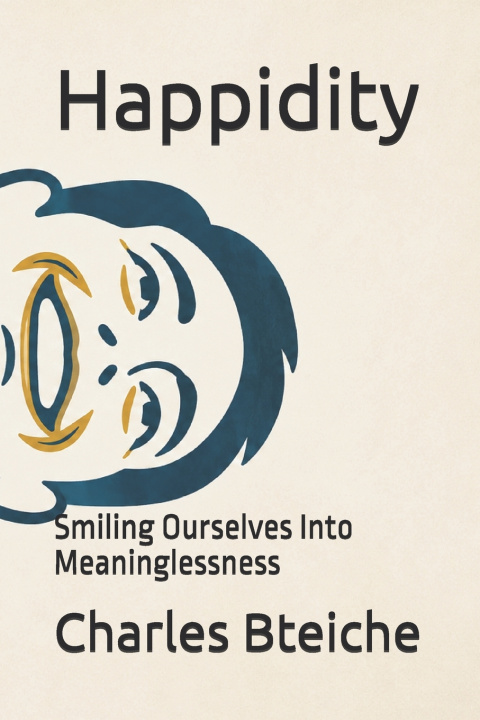
Happidity is a philosophical and autobiographical exploration of one of the defining contradictions of modern life. Growing up during a time of war and uncertainty, the author was raised between two powerful influences: a father who taught discipline, education, and perseverance, and a mother who embodied compassion, generosity, and human connection. Through these experiences, he learned that achievement, growth, and fulfillment were inseparable from effort, patience, and responsibility.
As the world evolved through globalization, digital transformation, social media, and artificial intelligence, a new cultural phenomenon emerged. Happiness gradually transformed from a consequence of a meaningful life into a product to be pursued, marketed, and consumed. Society increasingly encouraged individuals to seek immediate gratification, comfort, and personal satisfaction while minimizing struggle, sacrifice, and delayed reward.
Drawing on personal experiences, historical observations, and reflections on modern society, Happidity examines how consumer culture, technology, and social media have reshaped our understanding of success and happiness. The book explores the growing tendency to confuse comfort with fulfillment, visibility with significance, and pleasure with meaning. It argues that while modern civilization has achieved extraordinary progress in improving material conditions, it has often neglected the deeper human need for purpose, belonging, and contribution.
Central to the book is the idea that both individuals and societies evolve through cycles of submission, revolution, and equilibrium. The author suggests that contemporary culture may be experiencing an imbalance in which freedom, consumption, and personal gratification have become dominant values, often at the expense of resilience, responsibility, and long-term meaning.
Ultimately, Happidity proposes that happiness should not be the primary goal of life but rather a natural consequence of pursuing something larger than oneself. Through family, relationships, learning, service, responsibility, and personal growth, individuals can rediscover the sense of meaning that modern society often overlooks. The book concludes that while happiness is a beautiful companion, meaning remains the better guide.