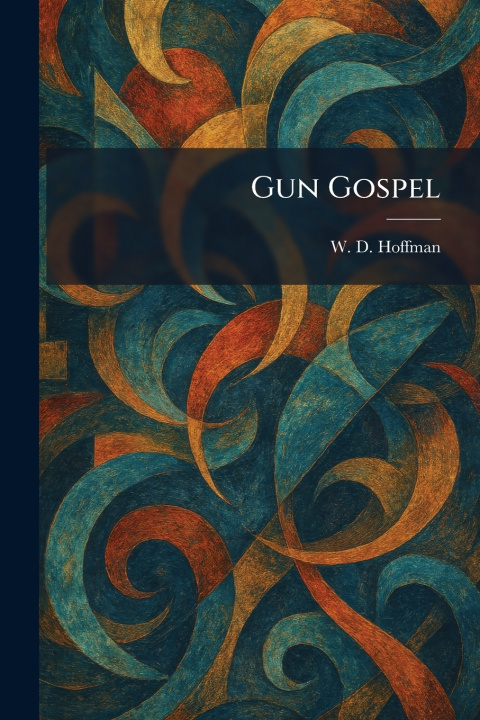
"Gun Gospel" is a gripping Western adventure that captures the rugged spirit and lawless energy of the American frontier. Written by W.D. Hoffman, the story follows the high-stakes journey of individuals caught in the crosshairs of justice and vengeance. The narrative explores the classic Western struggle between those seeking to establish order and the outlaws who thrive in the untamed wilderness of the cattle country.
The work is characterized by its fast-paced action, vivid descriptions of the landscape, and a deep exploration of the moral code that governed the Old West. As the protagonist navigates through dangerous territories and shifting loyalties, the story emphasizes the importance of courage and skill with a firearm in an era where the law was often decided by the fastest draw.
Readers will find "Gun Gospel" to be a compelling example of the early 20th-century Western genre, offering an authentic glimpse into the myths and realities of the pioneer era. With its focus on character integrity and the harsh realities of life on the range, this novel remains a significant contribution to the tradition of American frontier literature, appealing to fans of classic adventure and historical fiction alike.
This work has been selected by scholars as being culturally important, and is part of the knowledge base of civilization as we know it. This work was reproduced from the original artifact, and remains as true to the original work as possible. Therefore, you may see the original copyright references, library stamps (as most of these works have been housed in our most important libraries around the world), and other notations in the work.
This work is in the public domain in the United States of America, and possibly other nations. Within the United States, you may freely copy and distribute this work, as no entity (individual or corporate) has a copyright on the body of the work.
As a reproduction of a historical artifact, this work may contain missing or blurred pages, poor pictures, errant marks, etc. Scholars believe, and we concur, that this work is important enough to be preserved, reproduced, and made generally available to the public. We appreciate your support of the preservation process, and thank you for being an important part of keeping this knowledge alive and relevant.