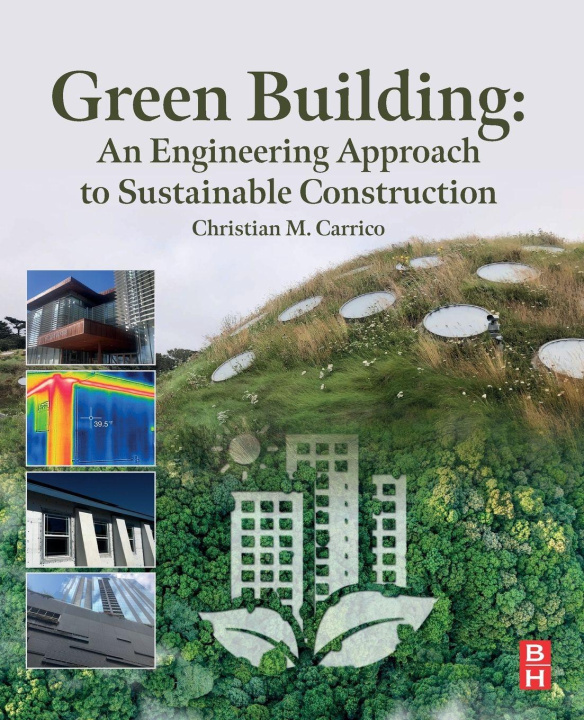
Green Building: An Engineering Approach fills a void in green building which has good textbook options for practitioners, architects, and sustainability experts, but not an engineering focused textbook focused on green building. This new text takes an engineering approach to evaluating green building techniques, systems and materials. The book examines the built environment from inside out in looking at minimizing environmental impacts while also considering the economics. Energy use and efficiency are key concerns. While not a test-prep book, it will provide the knowledge foundation that will help prepare the students to take the Leadership in Energy and Environmental Design accreditation exam—an important program and credential in this field. Unique aspects of the book include taking an engineering problem-solving approach, integration of ABET criteria 1-7, selected case studies, problem solving exercises and solved examples, and semester-long project suggestions (energy audit, model green building and others). As students are often unclear on the evolving employment prospects in this field, particularly for the engineer, the textbook will also feature six case studies showing different career pathways for engineers in this arena. Takes a quantitative and analytical engineering approach to evaluating green building techniques, systems and materials, including Dedicated engineering examples and end-of-chapter problems help develop students’ problem-solving and analytical skills as they relate to green buildings and sustainability Combines conceptual and calculational aspects that link to both big-picture issues (e.g. how many Hiroshima blasts per year is the radiative forcing equivalent to) and everyday considerations like climate change real-life experiences (how much do I have to insulate my chicken coop to keep them warm passively in the winter). Links textbook coverage to ABET criteria for accreditation of engineering programs.