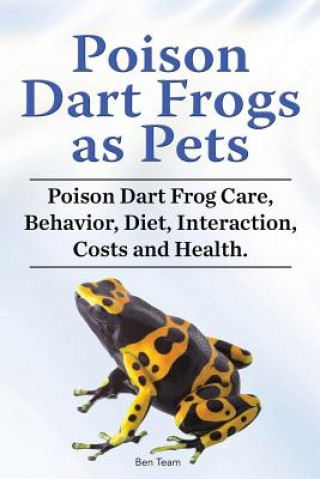
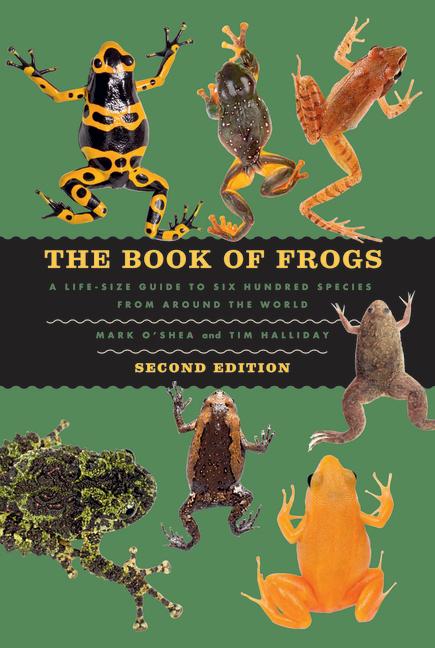
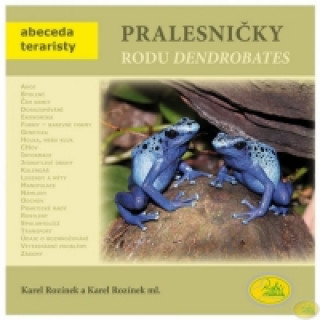
Frogs are among the most diverse and fascinating amphibians on Earth, with thousands of species adapted to a wide variety of habitats. One particularly intriguing group within this order is the poison dart frogs, a family (Dendrobatidae) known for their striking colors and potent chemical defenses. Among them, the Poison Dart Frog stands out due to its diminutive size, vibrant coloration, and powerful toxins.
The Poison Dart Frog is a small but highly toxic amphibian native to the rainforests of South America. Like other members of its family, it possesses specialized skin glands that produce potent alkaloid toxins, which serve as a natural defense against predators. These toxins are derived from its diet, primarily consisting of ants, mites, and other small arthropods that contain precursor chemicals necessary for toxin production.
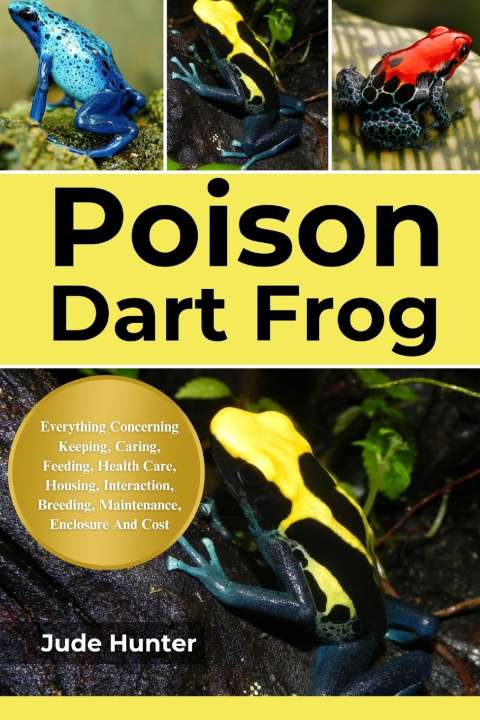
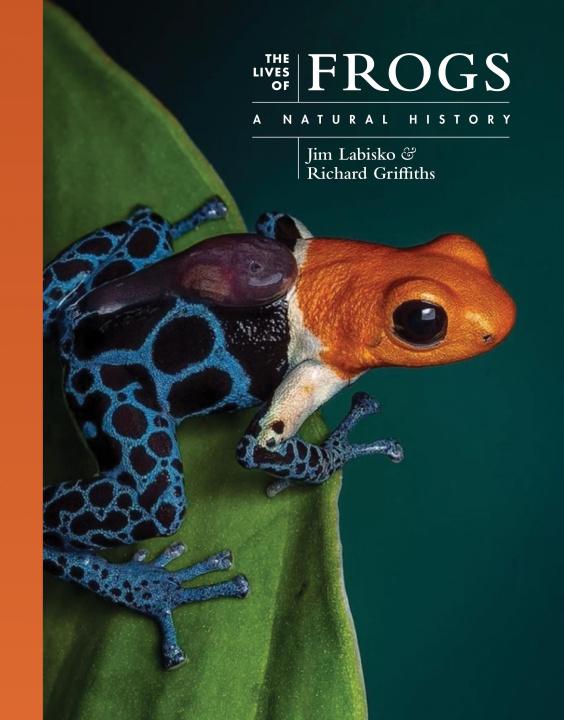
One of the defining characteristics of the Poison Dart Frog is its aposematic coloration-a bright and striking color pattern that serves as a warning signal to potential predators. Depending on the specific population or subspecies, these frogs can exhibit various color morphs, including vibrant hues of blue, red, yellow, or orange, often accompanied by intricate patterns of black or white. This bold coloration is not just a visual spectacle; it plays a crucial role in their survival by signaling danger to predators.
Unlike many other frogs that rely on camouflage or speed to avoid predation, the Poison Dart Frog's strategy is centered around its chemical defense. The toxins in its skin can cause severe reactions in predators, including paralysis or even death, making it one of the most chemically defended amphibians in the world. Because of this, these frogs have very few natural predators, with only a handful of species, such as certain snakes, evolving resistance to their toxins.
The Poison Dart Frog is also unique in its reproductive strategies. Like many dendrobatid frogs, it exhibits high levels of parental care, with males or females (depending on the species) carrying newly hatched tadpoles on their backs and transporting them to water-filled plant structures, such as bromeliad axils or tree holes. This behavior ensures that the developing larvae are placed in a relatively safe and nutrient-rich environment, increasing their chances of survival.
Despite its fascinating biology, the Poison Dart Frog faces numerous threats in the wild. Deforestation, climate change, pollution, and the illegal pet trade have all contributed to population declines in some regions. Habitat destruction, in particular, poses a significant challenge, as these frogs rely on specific microhabitats within tropical rainforests to survive. Additionally, the pet trade has targeted certain color morphs, leading to overcollection in some areas. Conservation efforts are crucial to ensuring the continued survival of this species.
Understanding the Poison Dart Frog is not just important for its conservation; it also has broader implications for medicine, ecology, and evolutionary biology. The study of its toxins has already contributed to medical research, particularly in the development of painkillers and other pharmacological applications. Additionally, these frogs serve as important indicators of ecosystem health, as amphibians are highly sensitive to environmental changes and pollutants.
Importance of Studying This Species
Studying the Poison Dart Frog is vital for several reasons, ranging from conservation efforts to scientific advancements and ecosystem management. These frogs are not only a crucial part of their natural environment but also a potential key to unlocking new medical treatments and understanding evolutionary processes.