When chest pressure, dyspnea, syncope, or shock appears, you need a clear way to reason through risk, tests, and first-line decisions.
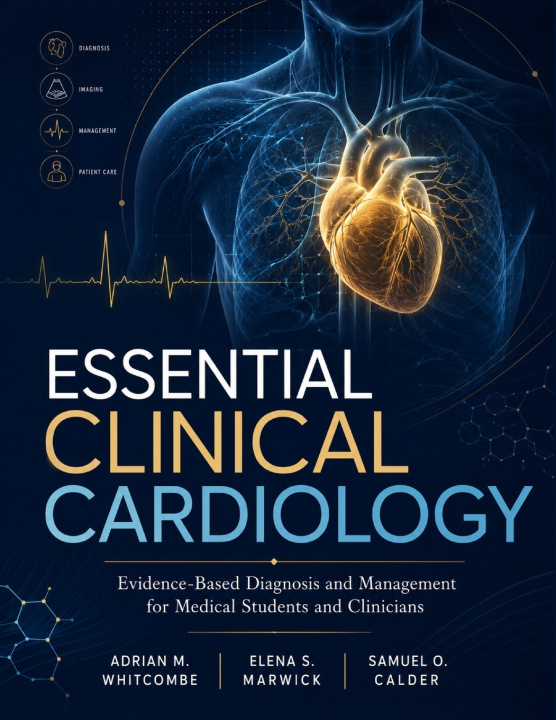
Essential Clinical Cardiology gives you a structured foundation for understanding cardiovascular disease from bedside presentation to diagnostic interpretation and management planning. Written for medical learners and working clinicians, it connects anatomy, physiology, ECG interpretation, imaging, prevention, ischemic disease, heart failure, hypertension, valve disease, arrhythmias, pulmonary hypertension, vascular medicine, special populations, and emergency care into one usable reference.
Instead of presenting cardiology as disconnected facts, this textbook shows you how symptoms, physical findings, biomarkers, ECG patterns, imaging results, and treatment choices fit into a coherent clinical pathway. You move from first principles to common bedside decisions with explanations that are practical, organized, and clinically grounded. The result is a reference you can study sequentially or consult when a specific presentation, test, or disease process needs review.
Inside this book, you'll discover:
- Build a disciplined cardiovascular assessment using history, examination, vital signs, risk factors, and structured reasoning.
- Interpret ECG findings, rhythm patterns, biomarkers, imaging choices, and hemodynamic clues with greater confidence.
- Recognize urgent presentations such as acute coronary syndromes, decompensated heart failure, syncope, cardiac arrest, aortic disease, and shock.
- Connect pathophysiology to management so treatment choices make sense instead of feeling like isolated rules.
- Review core topics across prevention, coronary disease, cardiomyopathies, pericardial disease, valvular disease, and vascular medicine.
- Apply practical reference tools covering normal values, cardiovascular drugs, ECG interpretation, acute care algorithms, and imaging principles.
- Strengthen communication, follow-up planning, and escalation decisions for safer continuity of care.
- With concise explanations, clinical framing, and quick-reference appendices, you gain a dependable map for learning and reviewing cardiovascular care.
Whether you are preparing for rotations, refreshing your knowledge before patient care, or building a dependable desk reference, this textbook helps you approach cardiovascular problems with structure, clarity, and clinical purpose.