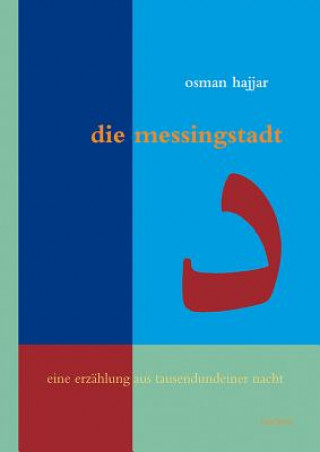
Eine Stadt aus Messing mitten in der Wüste konnte sich der nordafrikanische Gelehrte Ibn Haldun (gest. 1406) beim besten Willen nicht vorstellen. Mehr Phantasie besaßn die Erzähler der Sammlung Tausendundeine Nacht. Historische Berichte über die Westexpedition des Musa Ibn Nusayr (gest. 716) verflochten sie mit dem Alexanderroman, verschiedenen Salomolegenden, dem Palmyra-Mythos und, wie es den Anschein macht, sogar mit dem buddhistischen Maitrakanyakavadana zu einer faszinierenden Reise durch die Erinnerung an die menschliche Vergänglichkeit. Ihr Höhepunkt ist die Entdeckung einer mysteriösen Totenstadt, in deren Palast eine täuschend lebendig wirkende Mumie den Reisenden genau wie dem Leser Rätsel aufgibt. Gelöst wird dieses hier, indem ein Spiel mit Historie und Fiktion bloßgelegt wird und sich so die eklektisch anmutende Erzählweise zu einer Motivkette verbindet, die den Helden unfehlbar zu seinem Ziel führt.Anyone who associates The Arabian Nights with erotic stories will doubtlessly be disappointed when reading City of Brass (Nights 566 578). This tale deals not with the lust for life, but, on the contrary, with the vanity of existence: Each individual who attempts to safeguard his own memory will inevitably fail because of the destructiveness of time.§The reader learns this lesson together with the protagonist Musa Ibn Nusayr (died 716 717) as the reader accompanies him on his fantastic expedition to the end of the world, which at the same time also seems to be the beginning of time. The topic of this study is how the detailed steps of Musa Ibn Nusayr s sentimental journey are staged with respect to space and time, and how the recurrent motif of vanity gradually leads him to religious awareness.