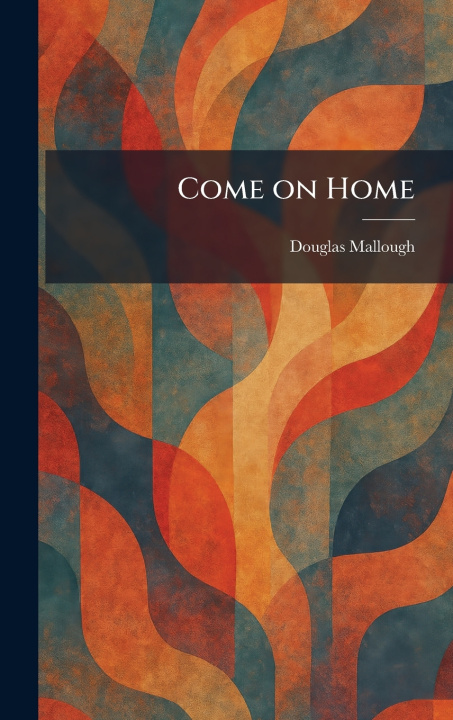
"COME on HOME" is a heartfelt collection of poetry that explores the profound emotional resonance of home, family, and the simple joys of daily life. Written by the celebrated American writer Douglas Mallough, this 1923 work captures the spirit of an era while speaking to universal truths that remain timeless. Through accessible verse and rhythmic beauty, Mallough celebrates the warmth of the hearth and the bonds of kinship, offering readers a sense of comfort and belonging.
The poems within "COME on HOME" range from reflections on childhood and the passing of time to the beauty of the natural world and the strength found in traditional values. Mallough's optimistic outlook and clear, evocative language make this collection a classic example of early 20th-century American inspirational literature. Ideal for lovers of traditional verse, this work serves as a reminder of the importance of roots and the enduring power of the place one calls home. Whether addressing the quiet moments of domestic life or the broader human experience, Mallough's words provide a nostalgic and uplifting journey for any reader.
This work has been selected by scholars as being culturally important, and is part of the knowledge base of civilization as we know it. This work was reproduced from the original artifact, and remains as true to the original work as possible. Therefore, you may see the original copyright references, library stamps (as most of these works have been housed in our most important libraries around the world), and other notations in the work.
This work is in the public domain in the United States of America, and possibly other nations. Within the United States, you may freely copy and distribute this work, as no entity (individual or corporate) has a copyright on the body of the work.
As a reproduction of a historical artifact, this work may contain missing or blurred pages, poor pictures, errant marks, etc. Scholars believe, and we concur, that this work is important enough to be preserved, reproduced, and made generally available to the public. We appreciate your support of the preservation process, and thank you for being an important part of keeping this knowledge alive and relevant.