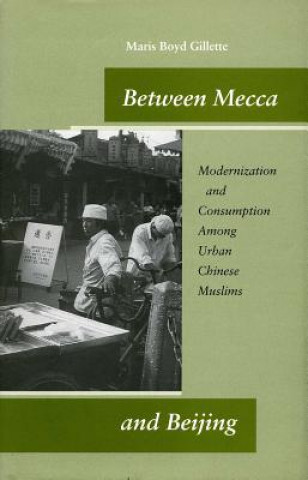
Through a detailed study of the daily life - eating habits, dress styles, housing, marriage and death rituals, religious practices, education, family organization - of the Hui inhabitants of Xi'an, Maris Boyd Gillette examines how a community of urban Chinese Muslims classified by the state as 'backward' use consumption to position themselves more favorably within the Chinese government's official paradigm for development. By selectively consuming goods and adopting fashions they regard as modern and non-Chinese - which include commodities and styles from both the West and the Muslim world - these Chinese Muslims seek to demonstrate that they are capable of modernizing without the guidance or assistance of the state. In so doing, they challenge one of the fundamental roles the Chinese Communist government has claimed for itself, that of guide and purveyor of modernity.