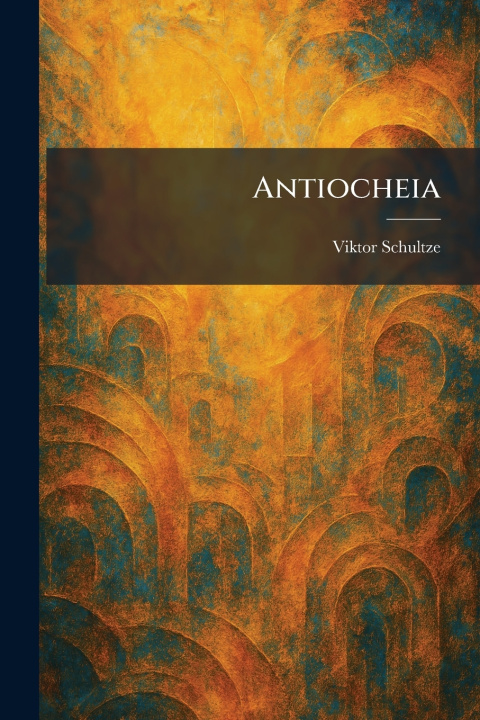
In seinem Werk "Antiocheia" bietet der renommierte Kirchenhistoriker und Archäologe Viktor Schultze eine umfassende Untersuchung einer der bedeutendsten Metropolen der antiken Welt. Das Buch beleuchtet die wechselvolle Geschichte von Antiochia am Orontes, von ihrer Gründung bis in die christliche Spätantike. Schultze verknüpft dabei historische Quellen mit archäologischen Erkenntnissen, um ein lebendiges Bild des urbanen Lebens, der politischen Verwaltung und der religiösen Entwicklung dieser Schlüsselstadt zu zeichnen.
Ein besonderer Schwerpunkt liegt auf der Rolle Antiochias als Wiege des frühen Christentums und Sitz eines der wichtigsten Patriarchate. Der Leser erfährt fundierte Details über die monumentale Architektur, die soziale Struktur und die kulturelle Strahlkraft, die die Stadt über Jahrhunderte hinweg als Brücke zwischen Orient und Okzident ausübte. "Antiocheia" ist ein unverzichtbares Referenzwerk für Historiker, Theologen und alle, die sich für die Archäologie des östlichen Mittelmeerraums interessieren. Schultzes präzise Darstellung macht die Komplexität und den Glanz dieser einstigen Weltstadt greifbar.
This work has been selected by scholars as being culturally important, and is part of the knowledge base of civilization as we know it. This work was reproduced from the original artifact, and remains as true to the original work as possible. Therefore, you may see the original copyright references, library stamps (as most of these works have been housed in our most important libraries around the world), and other notations in the work.
This work is in the public domain in the United States of America, and possibly other nations. Within the United States, you may freely copy and distribute this work, as no entity (individual or corporate) has a copyright on the body of the work.
As a reproduction of a historical artifact, this work may contain missing or blurred pages, poor pictures, errant marks, etc. Scholars believe, and we concur, that this work is important enough to be preserved, reproduced, and made generally available to the public. We appreciate your support of the preservation process, and thank you for being an important part of keeping this knowledge alive and relevant.