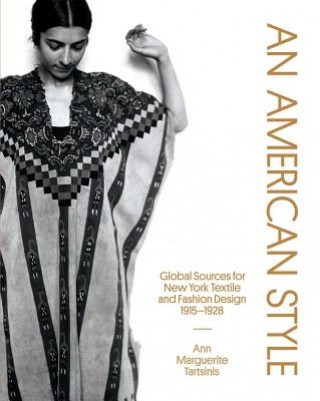
In 1915 the American Museum of Natural History (AMNH) embarked upon a mission to energize the American textile industry. Curators sought to innovate a distinctly "American" design idiom drawing on a more universal "primitive" language. Ethnographic objects were included in study rooms; designers gained access to storage rooms; and museum artefacts were loaned to design houses and department stores. In order to attract designers and reluctant manufacturers - who quickly responded - collections were supplemented with specimens including fur garments from Siberia, Persian costumes and Javanese textiles. This book positions the project at the AMNH in the broader narrative of early 20th-century design education in New York which includes the roles of the Metropolitan Museum of Art, the Brooklyn Museum, and the Newark Museum.