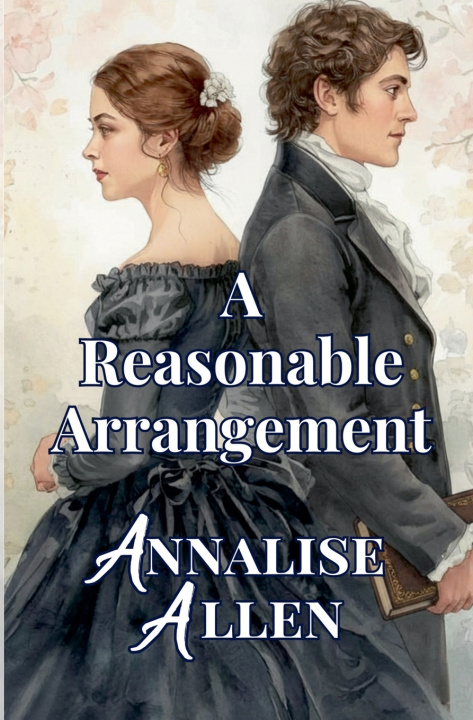
The first yes was arithmetic. The second would have to be a choice.
When Mr. Bennet dies on the eve of her visit to Hunsford, Elizabeth Bennet inherits nothing and loses everything. The entail passes Longbourn to Mr. Collins within the month. The money will not stretch to her return fare. And Fitzwilliam Darcy, proud, condescending, the last man she could have expected to esteem, has chosen this moment to offer his hand.
She accepts. Not because she loves him. Because the arithmetic leaves no other answer.
Darcy expected a refusal. What he receives instead is a yes delivered without warmth, an engagement conducted on stated conditions, and the slow, uncomfortable recognition that a proposal accepted under duress is not the same as love, and that he wants the difference.
Elizabeth expected a manageable arrangement with a man she could tolerate. She did not expect Darcy to be the kind of man who means what he agrees to. She did not expect to have to revise everything she believed she knew about him.
With Lady Catherine determined to undo the match, Wickham circling Lydia with the patience of someone who has nothing to lose, and the Bennet's respectability balanced on a thread, one wrong step could destroy what neither of them has yet admitted they are building.
A marriage that began in necessity. A love that must be freely chosen to be real.