Carte Դուրա-Եվրոպոսի սինագոգը որպես հայկական մշակութային ժառանգություն․ քննական-վերլուծական վերծանություն Hayk Tarjumanyan

Դուրա-Եվրոպոսի սինագոգը որպես հայկական մշակութային ժառանգություն․ քննական-վերլուծական վերծանություն

The Dura-Europos Synagogue as Armenian Cultural Heritage. A Critical Analytical Decipherment: In Armenian

Limbă: engleză
Legare: Carte broșată
Disponibilitate: Așteptăm intrarea în stoc
Ediția 02. 06. 2026
142.26 lei
Սույն վերլուծական աշխատանքը նվիրված է Դուռա-Եվրոպոսի՝ պայմանականորեն սինագոգ նույնականացված կառույցի...

Informații despre carte

Limbă
engleză
Legare
Carte - Carte broșată
Publicat
2026
Pagini
240
EAN
9798199052825
Enbook ID
52748254
Greutate
567
Dimensiuni
216 x 280 x 13

Descriere completă

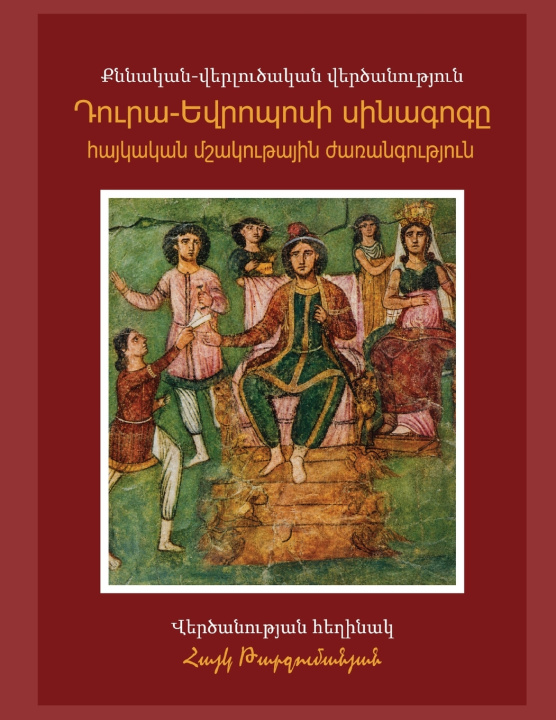
Սույն վերլուծական աշխատանքը նվիրված է Դուռա-Եվրոպոսի՝ պայմանականորեն սինագոգ նույնականացված կառույցի որմնանկարների և նյութական ժառանգության համալիր քննությանը։ Հետազոտության շրջանակներում վերհանվել են մի շարք նորահայտ փաստեր և պատմական իրողություններ, որոնք թույլ են տալիս վերանայել հուշարձանի էթնո-մշակութային պատկանելության վերաբերյալ գիտության մեջ առկա կարծրացած պատկերացումները։

Աշխատության առանցքային նպատակն է նախկինում ձևավորված թեզերի վերաիմաստավորումը և Դուռա-Եվրոպոսի պատկերագրական նյութի գիտական վերակառուցումը՝ որպես հայ ժողովրդի քրիստոնեացման գործընթացն արտացոլող եզակի պատկերապատում։

This analytical study is dedicated to a comprehensive examination of the mural and material heritage of the structure at Dura-Europos, conventionally identified as a "synagogue." Within the scope of this research, a series of newly discovered facts and historical realities are brought to light, allowing for a fundamental revision of the entrenched scholarly perceptions regarding the ethno-cultural affiliation of the monument.

The core objective of this work is the reinterpretation of previously established theses and the scientific reconstruction of the iconographic material of Dura-Europos as a unique pictorial narrative reflecting the process of the Christianization of the Armenian people. The study substantiates that the symbolic and narrative layers of the monument serve as documentary evidence of Armenian identity and theological developments during the Early Christian period.